Let’s be honest, starting a startup in 2026 feels like trying to be unique in a world that’s constantly filled with people trying to get your attention, and every other brand seems to be louder than the next. You may have created something that is actually worthwhile, but the challenge is to get the right people to actually notice it without blowing your entire marketing budget on expensive experiments that may not even work. The good news is that the best way to get leads for your startup in 2026 is not to spend the most money, but to know your audience best and give them the most value.
Recent insights into marketing trends for 2026 have shown that even though nearly 91% of marketers are actively engaged in generating leads for their business, most websites are failing to convert as many as 98% of their visitors without any conversion at all. Meanwhile, more efficient marketers are using AI and automation to grow their leads by as much as 50%, which indicates that efficiency is now more important than spending more money on marketing for a startup in 2026.
This is actually where modern lead generation gets exciting. While there are many complex methods for generating leads for a startup in 2026, there are also many simpler methods that can actually help you convert these “just browsing” moments into “yes” moments without any complexity whatsoever. In this guide, let’s walk through some of the best lead generation strategies for startups, so that you can grow your business. So, let’s begin!
What Is Lead Generation for Startups?
Lead generation is essentially the art of finding people who have a problem that your product solves and getting them to say, “Tell me more!” As a startup, it is not just about getting traffic to a website; it is about starting a real conversation with someone who actually wants what you are selling. Lead generation is the fuel that keeps your business moving and proves that your idea actually has real value in the world.
To do this well, a good lead generation strategy will focus on a few key areas:
- The Right Crowd: The exact group of people who need your help right now.
- Smart Catching: The process of getting their contact info without being annoying.
- Friendly Nurturing: The process of sending them helpful tips and info until they are ready to hit the buy button.
It is a bridge between your great product and the people who are out there searching for it. Instead of waiting for customers to find you by luck, you are actually building bridges that lead them right to your door. Moreover, a good lead generation strategy makes sure that not only are you busy, but you are actually growing your revenues every single month.
Why Lead Generation Is Critical for Startup Growth
However, having a great product is just half the battle, as nobody can buy from you if they don’t know you exist. Lead generation provides the heartbeat for your company and enables your growth in the following ways:
- No More Guesses: Having a constant flow of interest helps you forecast your sales and determine when to hire your next team member.
- Reality Check: Getting to see what people are actually clicking on helps you determine what they really love about your product.
- Investor Magnet: Demonstrating your constant flow of potential customers helps your startup appear like a winner to people with the money.
- Name Recognition: While they may not buy from you today, your marketing efforts ensure they remember you when they are ready.
- Beating the Giants: Being active in your space ensures you don’t get left behind by the huge companies with deep advertising budgets.
Types of Lead Generation Strategies
To get an ideal mix of growth, you should focus on the following five strategies to help you reach your objectives in the following ways:
Inbound Marketing
This type of strategy is all about creating great blog posts or videos that attract people towards your brand naturally, especially if they are looking to solve a problem online. This is a great approach to building trust with your audience in the long run, as you are providing enough value to them to want to come to you.
Outbound Outreach
Direct methods of lead generation, such as sending out personalized emails or messages on LinkedIn, where you take the lead and make the first contact with a potential customer, fall in this category. This is one of the best lead generation strategies for startups, as you get to hand-pick your ideal customer and get your message in front of them immediately.
Product-Led Growth
This is a smart approach to generating leads, where you utilize your product to get new users and sign them up, without having to sell them anything. This makes it very easy for a potential customer to upgrade to a premium version of your product later on, as they get to see its value firsthand.
Referral Channels
This relies on your existing happy customers or professional partners to recommend your services to their own trusted networks. Since people usually trust a friend’s word over an ad, this remains a highly effective way to gain high-quality leads with very little extra effort.
Paid Advertising
This includes paid advertising on platforms such as Google, Meta, or LinkedIn to reach your specific offer to a niche group very quickly. Although it requires an initial outlay, it’s an excellent way to supercharge your leads while waiting for your long-term strategies to take effect.
10 Best Lead Generation Strategies for Startups (2026)
The choice of path depends on your budget, your objectives, and your target market’s online hangouts. Here are the most effective and battle-tested lead generation strategies that all startups must leverage in their marketing strategies today:
1. Content Marketing + SEO

Content marketing combined with SEO remains one of the highest ROI strategies for startups in the long term. It enables you to attract potential customers organically as opposed to chasing them. You create content that provides immense value to your target market by helping them solve real-world problems. This approach establishes trust and authority with your target market.
What works best:
- Blog posts and guides: Develop in-depth content that provides immense value to your target market by helping them solve real-world problems.
- Case studies: Develop case studies to build trust and authority with your target market.
- SEO pages: Develop SEO pages to target high-intent keywords related to your product or service offerings.
- Evergreen content: Develop content that remains relevant and continues to generate traffic for your website.
How to execute effectively:
- Target low competition and high-intent keywords.
- Optimize your titles, descriptions, and internal linking for better visibility.
- Keep your content simple, structured, and highly actionable.
- Ensure you have excellent CTAs.
Why it matters: A single page, if well optimized, is capable of generating consistent and high-quality organic leads over time without requiring any further investment.
2. Cold Email Outreach (Fast ROI)

If your goal is to generate leads fast, then cold email outreach is one of the most effective ways to get fast ROI, especially for B2B startups. The key to a successful cold email outreach lies less in the numbers and more in your ability to get precise and accurate targeting.
Winning approach:
- Develop a list of prospects based on their industry, role, and size of companies
- Create a relevant and personalized message that connects with your prospects
- Focus on giving value rather than pitching your product
Best practices:
- Keep your email concise, clear, and easy to read (less than 100-120 words)
- Follow the CCQ formula: Compliment, Commonality, and Question
- Send 3-4 thoughtful follow-ups with varied messaging
- Continuously A/B test to improve performance
Why it matters: This technique is useful in securing qualified meetings in a matter of days, which is perfect for early-stage growth.
3. LinkedIn Lead Generation
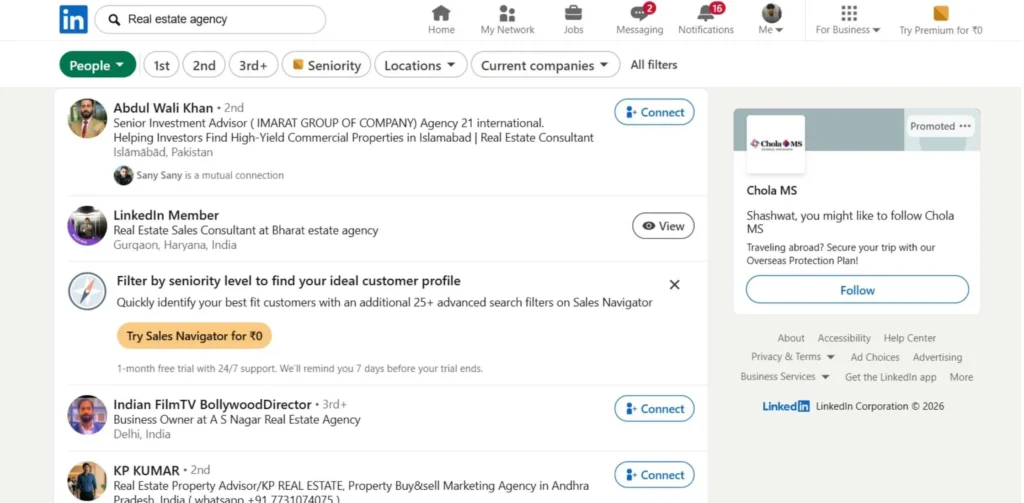
LinkedIn is no longer just a social media platform but a powerful tool for B2B lead generation, especially for B2B startups. Rather than focusing on selling, you should focus on building genuine relationships and establishing credibility.
Core strategies:
- Optimize your LinkedIn profile as a conversion-oriented landing page
- Share valuable insights, experiences, and content related to your industry
- Engage with your target audience’s posts to get more visibility
Outbound Method:
- Send personalized and relevant connection requests
- Have meaningful discussions, rather than directly selling
- Engage with potential customers and gradually convert them into calls or demos
Tools to Consider:
- LinkedIn Sales Navigator
- Prospecting Tools like Apollo or Crunchbase
Why it matters: LinkedIn offers precise targeting, which is almost impossible on other platforms.
4. Paid Ads (Google + Meta + LinkedIn)
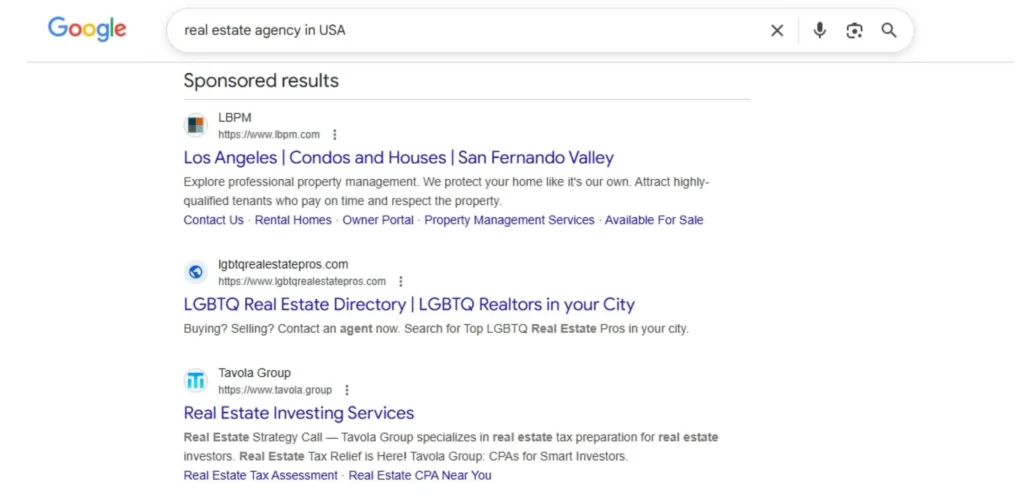
One of the best lead generation strategies for startups is to use paid ads if you want to build a system of generating leads that is both scalable and predictable. Each of these platforms is useful in a different stage of your marketing funnel and should be utilized accordingly.
Platform-wise Details:
- Google Ads: Target users with high purchase intent
- Meta Ads (Facebook/Instagram): Awareness and lead generation
- LinkedIn Ads: Target a niche professional audience
How to Maximize ROI on Paid Ads:
- Begin with a limited budget and test various creatives and audiences
- Utilize conversion-optimized landing pages to maximize lead generation
- Keep an eye on CPL and other metrics, and constantly improve
Why it matters: Paid ads offer immediate visibility and quicker lead generation, unlike organic strategies that take time to build up.
5. Retargeting Campaigns
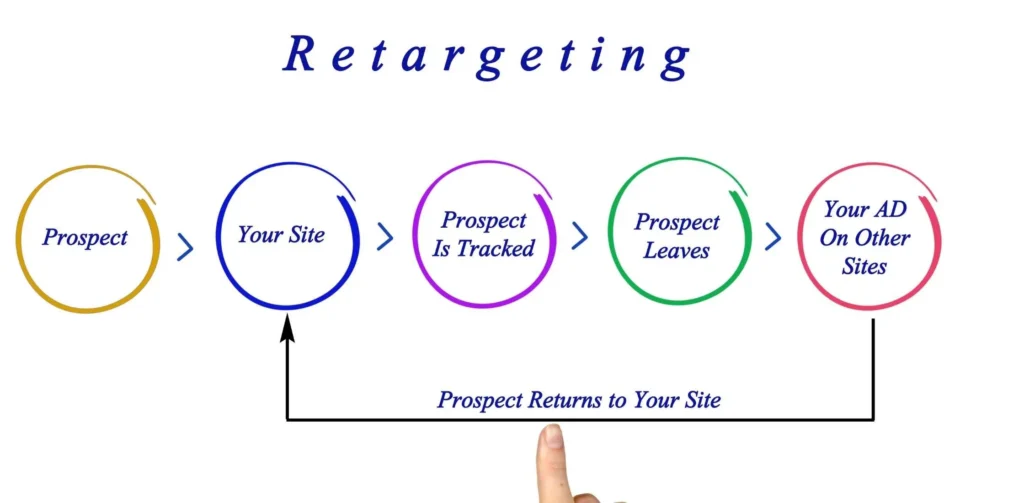
Most potential customers do not convert on their first interaction, which makes retargeting an essential strategy for re-engaging and converting warm audiences. This approach focuses on users who have already shown interest in your brand.
What to retarget:
- Visitors to your website that didn’t convert
- Users who clicked on adverts but didn’t act upon them
- Viewers of your videos and content engagers
- Existing email subscribers themselves
Effective tactics:
- Showcase customer testimonials and success stories to really establish that trust
- Offer time-sensitive offers or incentives to motivate the viewer to act now and make a choice
- Highlight key benefits or features they might not have noticed before
Why it matters: Retargeting can substantially improve conversion rates by drawing back those interested individuals and moving them towards an action, which is what really matters.
6. Video Marketing & Webinars
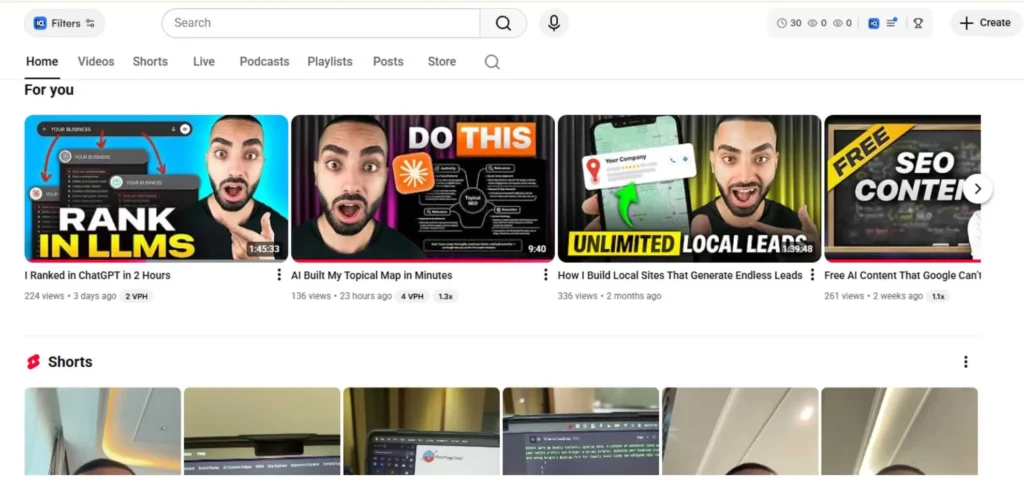
Video marketing has become increasingly dominant because it delivers information in a highly engaging and easily consumable format, making it ideal for modern audiences. Webinars, in particular, are effective for educating prospects and converting them into qualified leads.
Types of video content:
- Explainer videos that really try to get across really complicated ideas in a very straightforward way
- Product demos that show some actual functionality of your product itself
- Educational content that brings you immediate value with every view of it yourself
- Founder-led storytelling that creates a deep feeling of connection
Webinar strategy:
- Focus on a specific problem-solving topic relevant to your audience
- Deliver actionable insights that attendees can immediately apply
- End with a clear and compelling CTA, such as booking a demo
Why it matters: Video accelerates trust-building and can significantly improve engagement and conversion rates.
7. AI-Powered Lead Generation
Artificial intelligence has revolutionized lead generation as it enables startups to operate more efficiently, intelligently, and smartly without increasing their resources.
How AI has been adopted by startups in lead generation:
- AI chatbots for real-time lead capture and engagement
- Predictive analytics to identify high-quality prospects
- Automated personalization in outreach campaigns
- CRM automation for better lead management
Benefits of AI in lead generation:
- Reduces manual effort and saves time
- Enhances targeting precision and personalization
- Improves overall user experience and response rates
Why it matters: AI in lead generation has enabled startups to scale their lead generation efforts without increasing their teams or costs proportionately.
8. Lead Magnets (Free Value Offers)
If you want to convert your website visitors into leads, then you have to provide something in return for their information. This is where lead magnets come in handy, by providing instant value to your potential leads.
High-converting lead magnets offers:
- Free eBooks or detailed guides
- Actionable checklists and templates
- Free trials, demos, or consultations
- Tools, calculators, or exclusive resources
Optimization tips:
- Address one specific and pressing problem
- Keep the content concise, useful, and easy to consume
- Pair the offer with a well-designed landing page
Why it matters: Lead magnets have proven to be effective in turning passive website visitors into leads.
9. Social Media Marketing

Social media has become a significant marketing platform for building relationships, trust, and brand awareness, but not for selling your product. Social media marketing means being consistent and genuine.
What works in 2026:
- Short form videos like Reels/Shorts
- Educational/Insight-based content
- Founder-based storytelling/branding
- Engagement through comments and direct messages
Execution tips:
- Concentrate on the platforms where your audience is most engaged
- Maintain a consistent content schedule (3-5 times a week)
- Engage with your audience to build a connection
Why it matters: Brand recall and trust are built with social media, and that’s a natural precursor to generating more leads.
10. Partnerships & Networking
Building partnerships can help a startup generate high-quality leads quickly without spending too much money on it. You do not target the customers directly; rather, you leverage the trust factor.
Partnership ideas:
- Partner with non-competitive businesses
- Co-host webinars, events, and workshops
- Participate in guest blogging and cross-promotion
- Develop a referral partnership
Offline and Online Networking:
- Attend events and conferences
- Attend meetups and events for startups
- Network with influencers and thought leaders
Why it matters: A single strong partnership can consistently generate multiple high-quality leads with minimal effort.
How to Build a Lead Generation Funnel (Step-by-Step)
A well-structured lead generation funnel can help turn random visitors into qualified leads by creating a clear and value-oriented journey for the users. Here is a step-by-step guide:
1. Identify Your Target Audience
Firstly, it is essential to understand your target audience and their needs and behavior. The more specific your target audience is, the easier it will be to generate the right kind of leads for your business.
2. Create Awareness at the Top of the Funnel
In this section of the funnel, your focus should be on attracting the right kind of audience with the help of content marketing, social media, SEO, and other forms of paid advertising.
3. Capture Leads with a Strong Offer
Once visitors land on your platform, encourage them to share their contact details through lead magnets like free guides, checklists, or demos. Ensure your landing page is clear, compelling, and focused on one strong call-to-action.
4. Nurture Leads with Value
After leads have been generated, use consistent communication to establish trust. Your focus needs to be to educate and provide value to your leads and show them your brand is the solution to their problems.
5. Convert Leads into Customers
Guide nurtured leads toward taking action through personalized offers, demos, or consultations. Clear messaging, strong value propositions, and timely follow-ups play a key role in improving conversions.
Cost vs ROI Comparison
| Strategy | Cost Level | Time to Results | ROI Potential | Lead Quality | Scalability | Best For |
| Content Marketing + SEO | Low–Medium | Slow (3–6 months) | Very High (Long-term) | High | High | Sustainable growth & inbound leads |
| Cold Email Outreach | Low | Fast (Days–Weeks) | High | Medium–High | Medium | Quick B2B lead generation |
| LinkedIn Lead Generation | Low–Medium | Medium (Weeks) | High | High | Medium | B2B & decision-maker targeting |
| Paid Ads (Google/Meta/LinkedIn) | Medium–High | Immediate | Medium–High | Medium–High | Very High | Fast scaling & predictable leads |
| Retargeting Campaigns | Low–Medium | Fast | Very High | High | High | Converting warm audiences |
| Video Marketing & Webinars | Medium | Medium | High | High | High | Education & trust building |
| AI-Powered Lead Generation | Medium | Fast–Medium | High | High | Very High | Automation & scaling |
| Lead Magnets | Low | Fast | High | Medium–High | High | Converting website visitors |
| Social Media Marketing | Low–Medium | Medium–Slow | Medium–High | Medium | High | Brand awareness & engagement |
| Partnerships & Networking | Low | Medium | Very High | Very High | Medium | High-quality & referral leads |
Common Lead Generation Mistakes Startups Make
It is quite easy to mess things up even when you have a good plan in place. Therefore, be watchful and don’t fall prey to the following mistakes while applying best lead generation strategies for startups:
- Quantity over Quality: Getting 1,000 “cheap” leads instead of focusing on acquiring 10 quality people who are actually ready to buy.
- Slow Follow-Up: Waiting a few days to reply to a lead’s inquiry; research has shown that it is best to respond within five minutes.
- Too Much Jargon: Using “corporate jargon” to confuse people rather than explaining how you can make their lives easier.
- Ignoring Data: Not tracking where leads come from, leading to throwing money at ineffective methods.
- One and Done: Giving up after a single email; most sales are made after the fourth or fifth email.
Tools for Startup Lead Generation
You also need the right gear to keep things organized and not go crazy trying to scale without the proper support. These are the tools that form the foundation of the best lead generation strategies for startups:
- CRM Software: Tools like HubSpot or Pipedrive help you track every conversation and never let a lead fall through the cracks.
- Email Finders: Apps like Hunter.io or Apollo.io allow you to find the direct work email of almost any professional in seconds.
- Call Management: Systems like Runo help startups manage phone leads and track how well their sales team is performing.
- Automation Tools: Use Zapier to connect your website forms directly to your email list or CRM automatically.
- LinkedIn Tools: Sales Navigator is essential for finding and saving lists of ideal prospects based on very specific filters.
Pros and Cons of Lead Generation Strategies
Each lead generation strategy has its own set of disadvantages, and it is important to know what you are getting into before you start:
Pros:
- Immediate Feedback: Using an outbound method like a cold call or email, you can immediately tell whether your message is working or not.
- Cost Efficiency: Organic marketing techniques like SEO are “free” as long as you are willing to write the content.
- High Scalability: If you find a paid ad that is successful, you can increase the budget to acquire more leads.
- Trust Building: Content and webinars allow you to demonstrate your expertise and build trust before selling.
- Precise Targeting: Digital marketing tools enable you to target people with a particular job title.
Cons:
- Time Intensive: Organic marketing techniques like SEO may take six months or longer to deliver a real return on investment.
- High Competition: Popular keywords and ad space can be costly because many others are bidding for the same space.
- Constant Maintenance: You cannot “set and forget” your lead generation techniques; you need to test new headlines and images continually.
- Technical Learning: Some marketing tools and ad space may have a steep learning curve and be difficult to use.
- Risk of Spam: If you are not careful, sending too many cold emails without personalizing them may damage your brand’s reputation.
Conclusion
The best lead generation strategies for startups in 2026 are not necessarily about being at the forefront of every new trend, but rather being helpful, relatable, and human in your approach to lead generation. Regardless of whether you’re focusing on SEO, cold emails, LinkedIn, or a combination of the above, the key to success lies in being consistent and bringing value to the table every single time. Start small and smart by focusing on a single or two lead generation strategies that best fit your budget and capabilities, rather than trying to do it all at once and ending up burnt out in the process.
Give it at least a month of consistent testing, learn what works best for your audience, and then confidently scale up on what produces the best results. Keep in mind that not every social media post, cold email, or lead generation campaign will be a success, but that’s perfectly fine, as each failure represents a new lesson learned along the way.
Explore More About:
FAQs
1. What is the cheapest way for a startup to get leads?
The cheapest way to generate leads for a startup is through cold emails and social media posts, as it requires minimal budget but a lot of time and effort to generate high-quality leads.
2. How many leads should a startup aim for each month?
This will depend on your sales goals and your conversion rate. A good rule of thumb is to aim for enough leads to keep your sales team’s calendar filled with 5-10 qualified meetings per week.
3. Is cold calling effective in 2026?
Yes, cold calling is effective, but only when combined with other marketing strategies. Calling someone who has already opened your email or visited your site is much more effective than “blind” calling.
4. Should I hire an agency for lead generation?
If you have the budget and need to scale fast, hiring an agency can be a good idea. But as a startup, you might learn more from doing it yourself and figuring out what your customers really want.
5. Which social media platform is best for lead generation?
For business-to-business, LinkedIn is almost always the winner. For business-to-consumer, both Meta (Facebook/Instagram) and TikTok usually give better results.
6. How do I know if a lead is “qualified”?
A qualified lead is someone who has the problem you solve, the budget to solve it, and the authority to make the purchasing decision. Additionally, they should have a clear timeline for when they want to start.